Solarmodule auf einem grünen Feld unter klarem, blauem Himmel zur nachhaltigen Energieerzeugung.

Procedure for a DGUV V3 inspection

procedure

How does such an inspection work in practice? Many customers fear long downtimes. This concern is usually unfounded. A professional inspection is carried out efficiently and has little impact on your operations. We strictly adhere to the technical rules for operational safety (TRBS) and the relevant DIN standards.

Step 1: Inspection (visual inspection)
Step 2: Measure
Step 3: Testing (functional test)
Step 4: Documentation and badge

Team Planning

Step 1: Visit

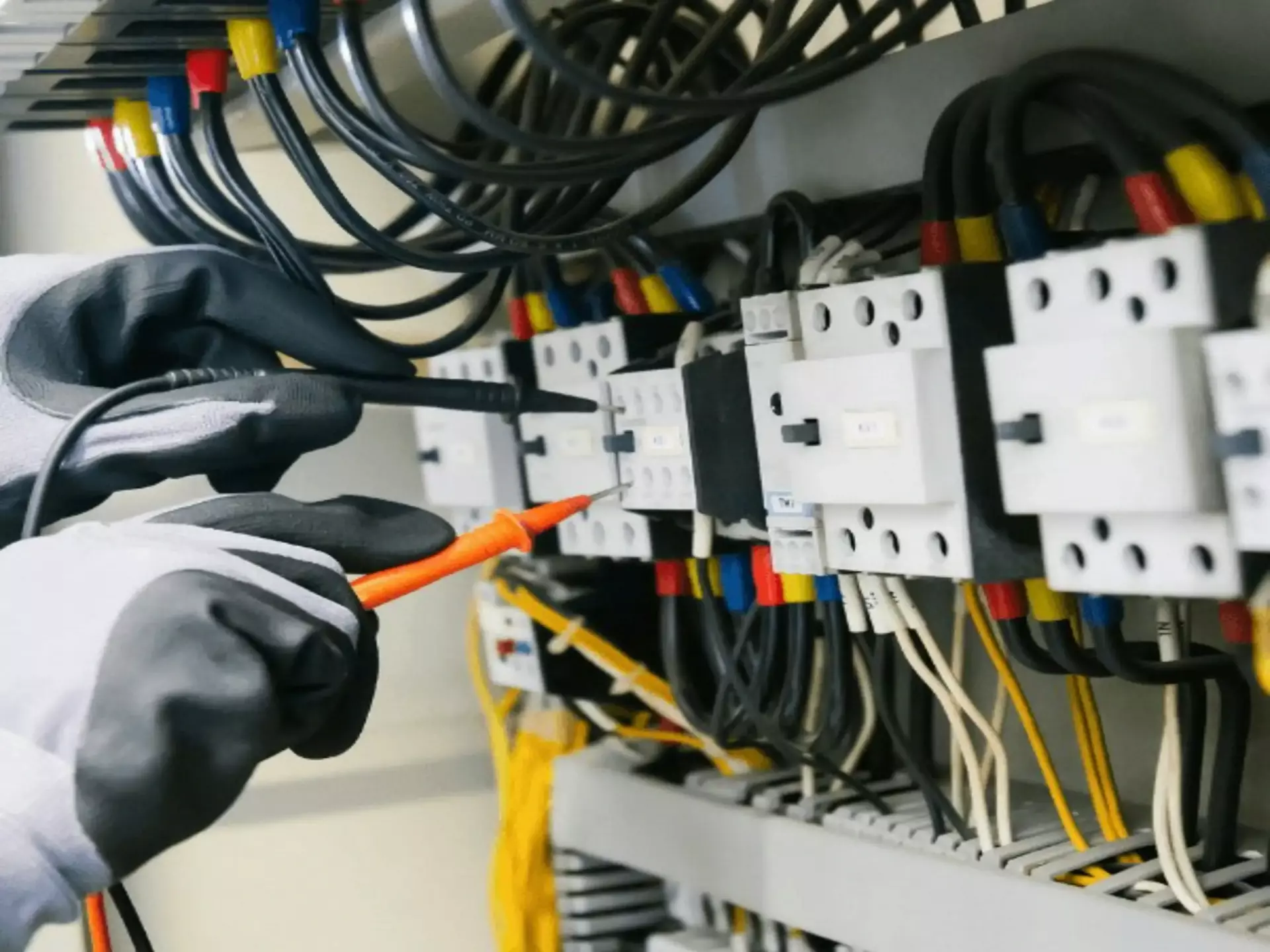
The first step is often the most important. Our electrician checks the device for any visible defects. Experience has shown that we can already detect numerous faults at this stage. A trained eye can spot damage that is often overlooked in everyday use.

Typical faults found during visual inspections are:

  • Damaged insulation on connection cables (broken cables).
  • Defective housings (cracks, missing covers).
  • Signs of overheating (burn marks on plugs).
  • Missing or damaged strain reliefs on the cable.
  • Illegible inscriptions or type plates.

If the inspector finds a defect here, the device is immediately sorted out or marked. It must be repaired before further testing can continue.

Elektriker bei der Arbeit an Schaltschrank, Kabel und Handschuhe sichtbar. Professionelle Elektroinstallation.

Schritt 2: Messen

This is where our calibrated measuring devices come into play. We check electrical values that are not visible to the naked eye. Different standards apply depending on the type of device (stationary or portable). For portable devices, this is DIN VDE 0701-0702, and for stationary systems, it is often DIN VDE 0105-100.

The most important measurements include:

  • Protective conductor resistance: Is the connection to earth intact? Low resistance is vital to ensure that the fuse trips in the event of a fault.
  • Insulation resistance: This value is critical for fire protection. If the resistance is too low, leakage currents can flow. These generate heat. This often leads to smoldering fires that go unnoticed long before a fuse reacts.
  • Protective conductor current / touch current via residual current measurement: Here we measure whether current is flowing through the housing. Will you get an electric shock if you touch the device? Residual current measurement is a particularly accurate method of detecting even small fault currents without having to switch off the device.
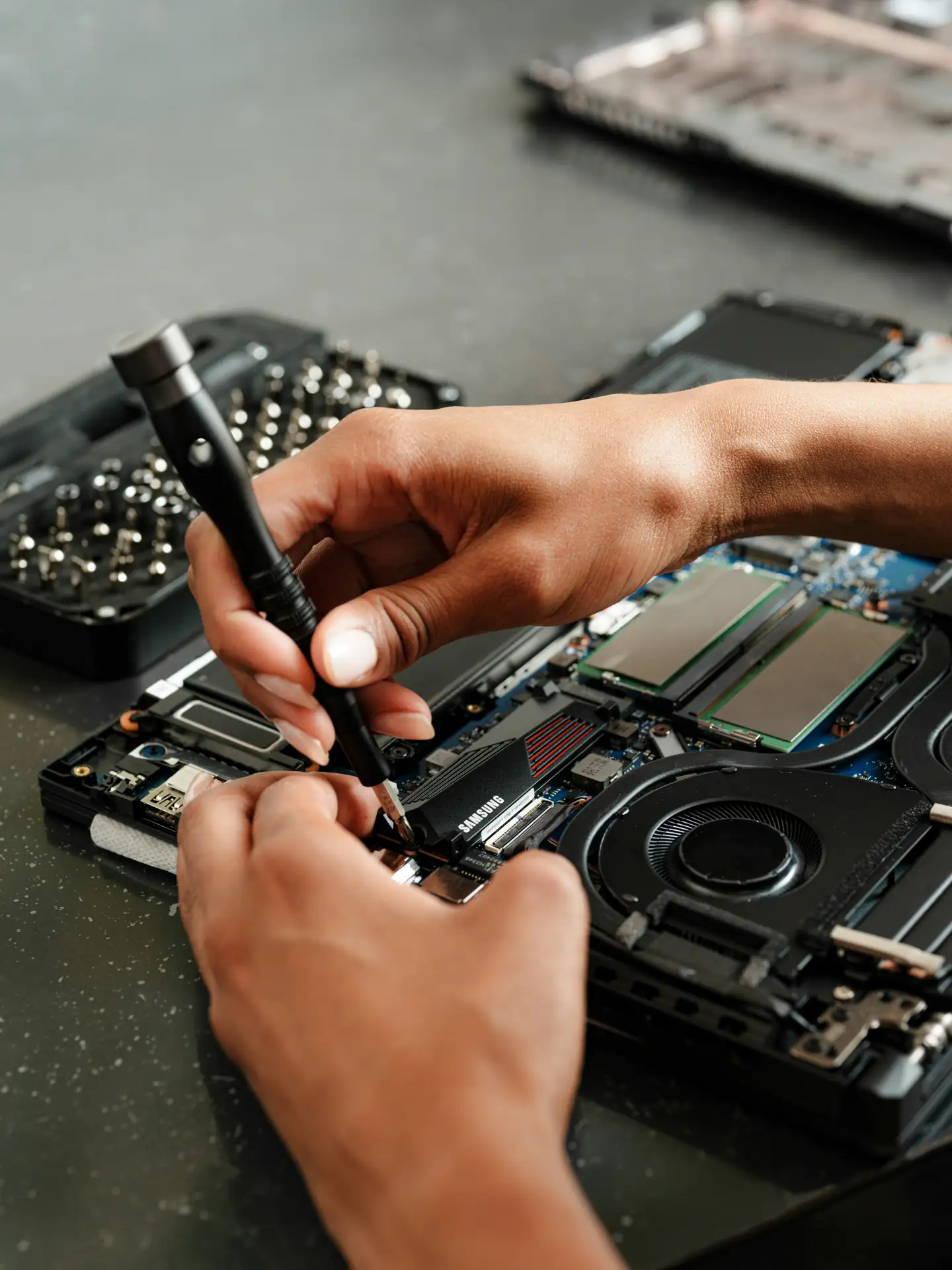
Person repariert einen Laptop mit Schraubendreher, Innenansicht eines geöffneten Laptops mit Elektronikkomponenten.

Step 3: Testing

Does the device work safely at all? In this step, the inspector operates all switches, controls, and safety devices. Does the emergency stop switch activate as intended? Does the machine stop immediately?

This step ensures that the device is not only electrically safe, but can also be operated without danger. A device that is electrically safe but can no longer be switched off will not pass the DGUV V3 test.

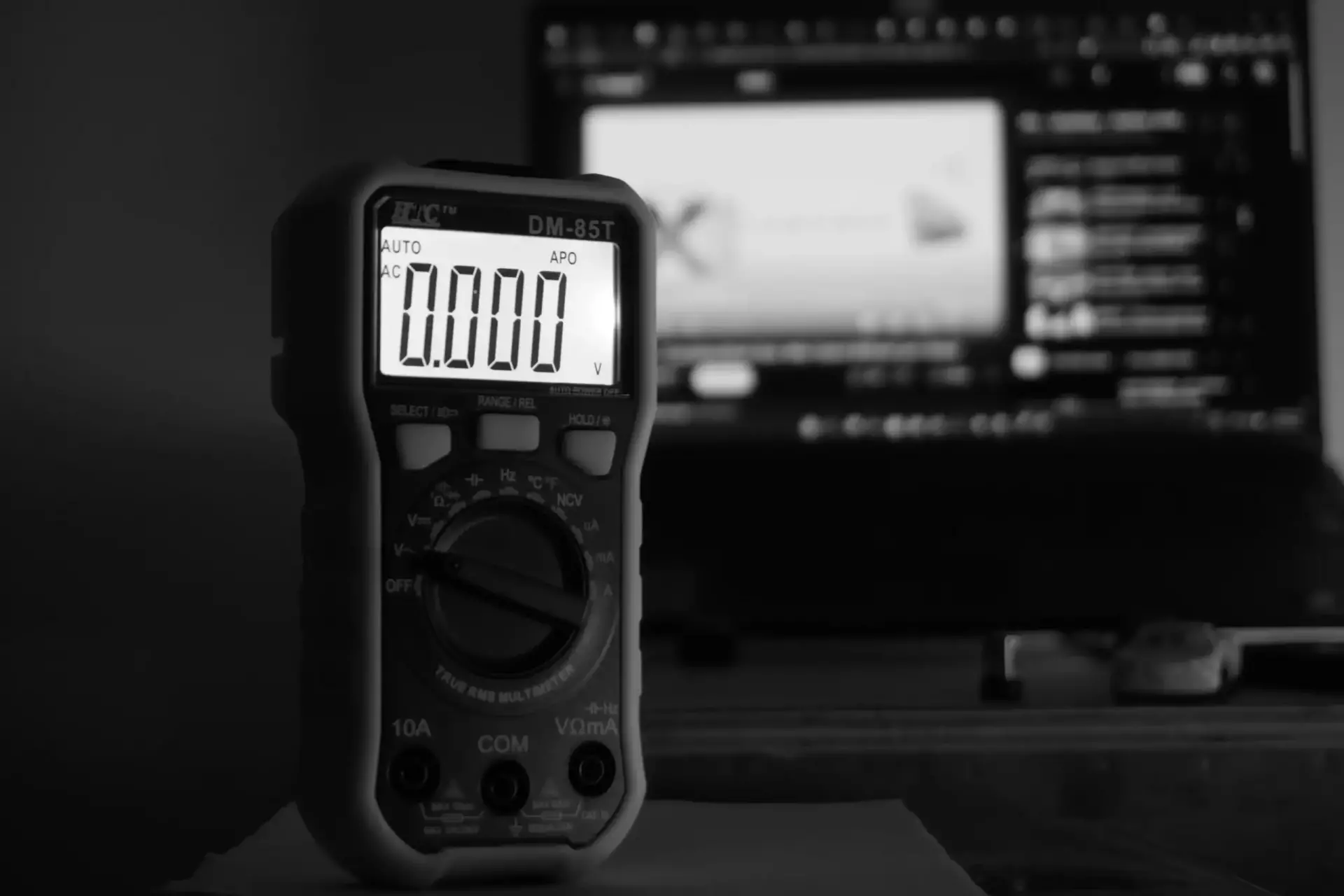
Digitales Multimeter mit Anzeige 0.000 Volt, unscharfer Hintergrund mit Computerbildschirm.

Step 4: Documentation and sticker

After successful testing, the device receives the familiar round test sticker. It shows the next test date. However, the sticker alone is not legally sufficient. Much more important is the legally compliant test report.

Your advantage with us: Digital report as standard
We create a detailed report for each tested device. All measured values and results are listed there. In the event of damage, this report is your “life insurance” vis-à-vis professional associations and insurers. We provide you with this data digitally (as a legally compliant PDF or Excel list). This means you have your documentation ready to hand and archived in a searchable format at all times.

Handwerker bearbeitet Holz mit Elektrowerkzeug, funkelnde Staubpartikel, präzise handwerkliche Arbeit in Werkstatt.

Compliance with the protection class during testing

Not every device is tested in the same way. A decisive factor is the protection class of the equipment. The electrician must classify the device correctly before measuring it.

  • Protection class I (with protective conductor): Here, the protective conductor resistance is the most important measured variable (usually devices with a protective contact plug).
  • Protection class II (protective insulation): These devices do not have a protective conductor, but are double insulated (recognizable by the narrow contour plug). Here, the focus is on the insulation resistance.
  • Protection class III (safety extra-low voltage): These devices operate at a safe voltage, but must be checked to ensure they are correctly isolated from the mains.
Nahaufnahme einer elektronischen Leiterplatte mit Chips und Kondensatoren, Schlüsselkomponenten moderner Technologie.

Are there any differences in the retake exam?

Yes. The initial inspection takes place before the first commissioning. The repeat inspection is carried out at regular intervals. The DIN VDE 0105-100 standard plays a central role in the repeat inspection of stationary systems. It defines how existing systems must be inspected during operation without unnecessarily interrupting the production process.

Our experts plan the inspection so that your operations can continue uninterrupted. We also carry out inspections at weekends or at night if your processes require it.

Why Elektroprüfung Guru is the right partner

We offer you more than just a sticker. Our service is available throughout Germany—at fair flat rates. Whether you have one location in Munich or twenty branches across Germany, we are your central point of contact.

Our advantages at a glance:

  • Nationwide network of certified inspectors.
  • Transparent pricing (flat rates or unit prices).
  • Legally compliant documentation (PDF/Excel).
  • Reminder service for the next due date.
  • Inspection of all equipment classes (including ladders, steps, shelves).
Modernes Büro mit offenen Arbeitsbereichen, Pflanzen und natürlichem Licht durch große Fenster.

Frequently asked questions (FAQ) about DGUV V3

Put your trust in the electrical testing guru. We combine professional expertise with customer service. We carry out our tests honestly and transparently, causing as little disruption to your operations as possible. Request your no-obligation quote now and make your business safe.

The costs vary depending on the number of devices and the type of environment. We often offer attractive volume discounts. With many similar devices (e.g., monitors in an open-plan office), the unit price drops significantly. Use our online calculator for an initial estimate.

Yes, as soon as private coffee machines or radios are used at work, they fall under the employer’s responsibility. They must be included in the DGUV V3 inspection.

The device will not receive a sticker and the test report will indicate that it has “failed.” It must be repaired or disposed of. We clearly mark such devices to prevent further use.

Absolutely. If you provide employees with laptops or monitors for their home office, you remain responsible for their safety. The deadlines set out in DGUV V3 also apply here.

DGUV V3 Prüfungen in ganz Deutschlands

+49 (0) 211 2204320

office@elektropruefung.guru