
DGUV V3 Fixed and mobile operating equipment
Subject of the inspections: What is important in the DGUV V3 inspection
operating resources
Electrical safety is not a matter of chance, but the result of regular and professional inspections. If you are wondering which devices, machines, and systems in your company actually need to be inspected, you have come to the right place. The DGUV V3 (formerly BGV A3) provides clear rules on this subject.
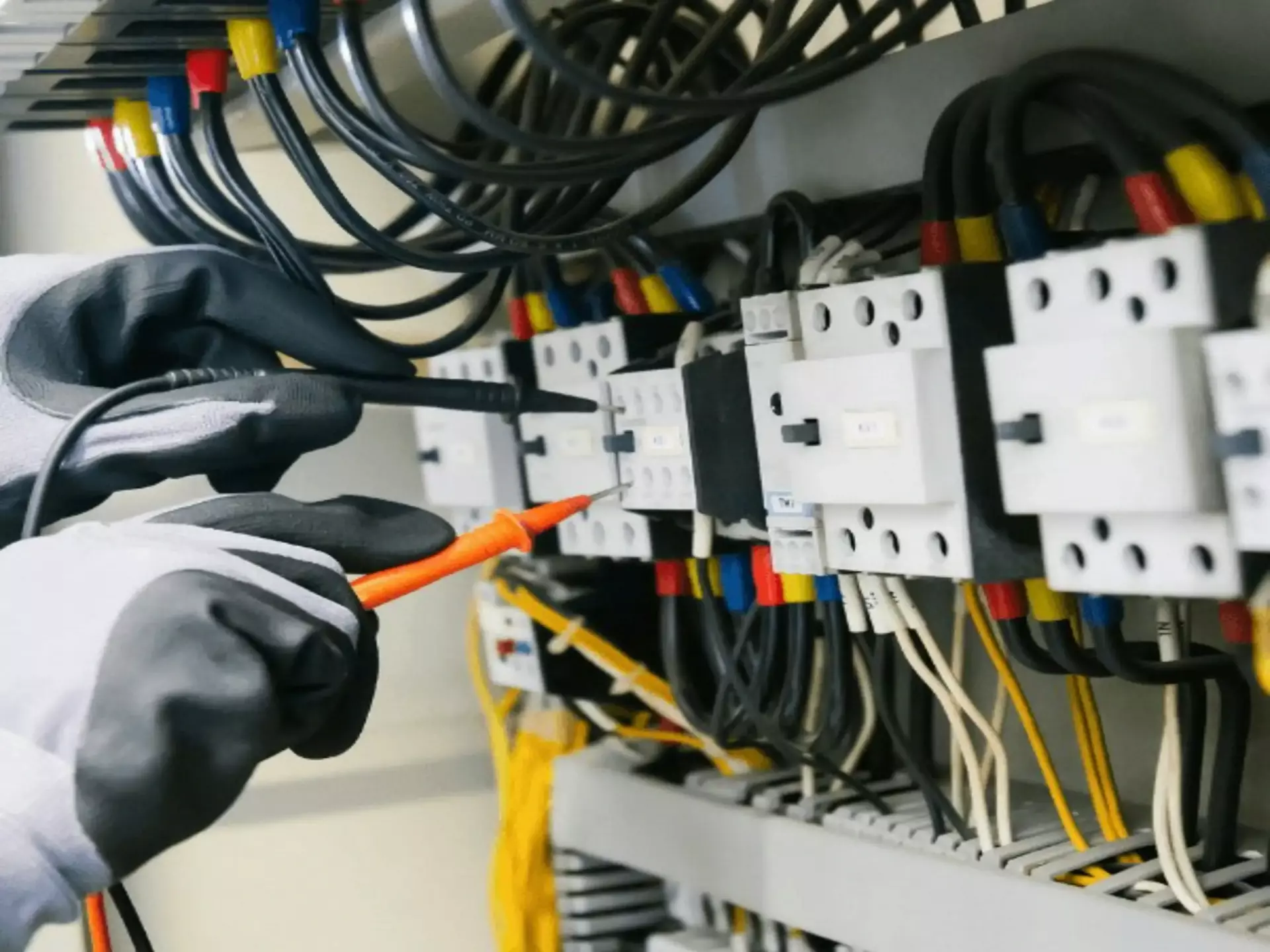

Overview: The scope of DGUV Regulation 3
As a general rule, anything that operates using electrical energy must be safe. The accident prevention regulations issued by the employers’ liability insurance associations summarize this under the term “electrical equipment.” This includes objects that use, conduct, store, or distribute electricity.
The legislator and insurers require that these tests be carried out by a qualified electrician. We distinguish between four main categories:
- Portable electrical equipment
- Fixed electrical equipment
- Stationary systems
- Non-stationary systems
Each of these categories has its own testing requirements. It is important to make a clear distinction between them. This determines not only the testing procedure, but also the costs and legal deadlines.
Comparison of operating resources
Portable electrical equipment: Flexible but risky
This category applies to most devices in offices and workshops. The definition is simple: Can you easily carry the device from A to B while it is connected? Does it have a plug? If so, it is usually “portable.”
Since these devices are often moved around, cables and plugs suffer greater wear and tear. The cable gets kinked, the plug is pulled out, and the housing bangs against edges. That is why, statistically speaking, many accidents happen here. Legislators therefore often require shorter inspection intervals.
Typical examples from practice:
- Office: Monitors, laptops, coffee machines, power strips, printers.
- Workshop: Hand drills, jigsaws, cable reels, soldering irons.
- General: Vacuum cleaners, kettles, fans.
Note: According to the German Industrial Safety Regulation (BetrSichV), we often refer to “portable electrical equipment” here. However, the content of the inspection remains the same: we look for damage that you might overlook at first glance.
Stationary electrical equipment: Permanently installed and heavy
This section deals with the “heavy hitters.” Stationary equipment is permanently installed or so solid that it cannot simply be carried away. It is often wired directly to the electrical distribution system without a plug. It remains in place during operation.
This can also include devices that are only temporarily fixed in place and supplied via movable cables. Since these devices are moved less frequently, mechanical damage to the cables is somewhat less common, but cannot be ruled out.
This is part of it:
- Fest installierte Motoren in Produktionsstraßen.
- Kühlschränke und Elektroherde in Küchenzeilen.
- Warmwasserspeicher und Durchlauferhitzer.
- Standbohrmaschinen in der Werkstatt.
- Klimaanlagen und fest verbaute Leuchten.
Stationary systems
These systems are permanently connected to their surroundings. They are an integral part of the building or container.
- All domestic installations (sockets, distribution boards, wiring in walls).
- Installations in site trailers or containers.
Non-stationary systems
These facilities are set up for a specific purpose and then dismantled again. They travel from location to location, so to speak.
- Construction site power distribution boards.
- Temporary lighting systems.
- Electrical systems for events or temporary structures (funfairs, circuses).

Why is this distinction so important?
The distinction between “stationary” and “mobile” is not a bureaucratic one, but a matter of hard cash. The testing effort involved differs significantly.
Price calculation:
For portable devices, we often work with low unit prices. We can test many devices in a short period of time. For stationary systems or large machines, we often charge based on time and effort or flat rates, as connecting and disconnecting or complex measurements are necessary in these cases.
Inspection intervals:
A drill on a construction site (portable) must be inspected much more frequently than a fuse box in a dry archive (stationary). You specify the exact intervals in your risk assessment. We will be happy to advise you on how to strike a balance between safety and cost-effectiveness.
The core element: risk assessment
Although DGUV V3 specifies guidelines for inspection intervals, your risk assessment has the final say. As an entrepreneur, you must assess how heavily your equipment is used.
A laptop in a home office is less at risk than an angle grinder in a locksmith’s workshop. That is why the law requires that a competent person assess these risks. Based on this assessment, we work with you to determine the inspection intervals.
The aim is to prevent accidents before they happen (prevention) rather than reacting when it is already too late.

Overview of important inspection deadlines
To give you an idea of the time frames involved, we have summarized the common recommendations for repeat inspections here. Please note: These are guidelines for normal wear and tear.
| Type of equipment | Inspection interval (guideline) | Example |
|---|---|---|
| Mobile (office) | Approx. 24 months | PC, coffee machine |
| Mobile (workshop) | Approx. 12 months | Drill, extension cord |
| Mobile (construction site) | Approx. 3–6 months | Circular saw, construction site power distributor |
| Stationary systems | Approx. 4 years | Sub-distribution, lights |
After the inspection, you will receive not only a handshake from us, but also tangible documents. The inspection report is your most important evidence in the event of damage. It confirms to insurance companies and professional associations that you have fulfilled your obligations. Without this report, you risk losing your insurance coverage in the event of fire or personal injury.
Our service for you: We also provide you with digital inventory lists (PDF and Excel). This gives you a perfect overview of your entire equipment inventory for the first time. Many of our customers use these lists directly for their accounting or inventory management.